GLP-1 medications such as semaglutide and tirzepatide are transforming obesity and metabolic care. But while these therapies are highly effective for weight loss, they can also create a new clinical challenge: patients are eating less, and often not getting enough protein and essential nutrients to support metabolic health, lean muscle, and long-term outcomes.
This guide is designed for clinics and practitioners who are looking for practical, high-protein nutrition solutions that support patients on GLP-1 therapies without adding complexity or digestive burden.
Why GLP-1 Users Need Targeted Nutrition Support
GLP-1 medications work by slowing gastric emptying, reducing appetite, and improving glycemic control. While these mechanisms are beneficial for weight loss, they often result in:
- Lower overall food intake
- Reduced protein intake
- Inconsistent micronutrient consumption
- Increased sensitivity to sugar alcohols and heavy or greasy meals
Clinically, this can translate into:
- Loss of lean muscle mass
- Fatigue and reduced energy
- Slower metabolism over time
- Digestive discomfort, bloating, and constipation
- Difficulty sustaining long-term adherence if patients feel unwell
The goal for practitioners is clear: support patients with high-quality, high-protein, easy-to-digest nutrition that aligns with GLP-1 physiology and is simple enough for real-world adherence.
The Protein Gap in GLP-1 Patients
Many GLP-1 patients struggle to meet basic protein requirements, especially as appetite declines. The result is a significant gap between recommended intake and what patients are actually consuming.
Clinical Chart: Recommended vs. Typical GLP-1 Protein Intake

This simple visual helps patients understand why they feel weak, tired, or are losing strength despite “doing everything right.” It also opens the door to prescribing or recommending structured, high-protein nutrition solutions.
Two Clinical Nutrition Solutions for GLP-1 Users
To support GLP-1 patients, clinics need options that are:
- High in protein
- Micronutrient dense
- Gentle on digestion
- Low in sugar and free from unnecessary additives
- Fast and convenient to prepare
Two formats work particularly well in clinical settings:
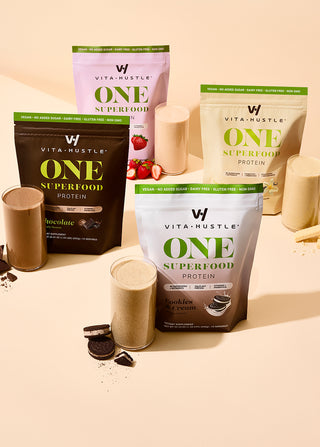
- An all-in-one superfood protein powder for daily foundational nutrition
- Ready-to-drink (RTD) protein shakes for on-the-go adherence and muscle support
Solution 1: All-in-One Superfood Protein Powder
The powder format is ideal as a daily nutrition foundation, especially for patients who are skipping meals or eating very small portions.
- High protein: 20g plant-based protein per serving to support lean muscle
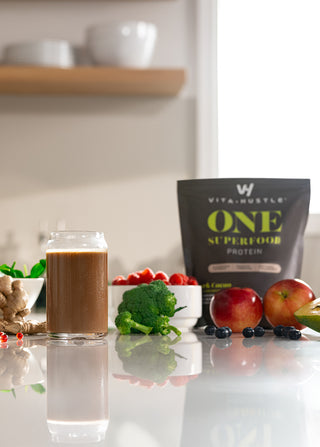
- Micronutrient support: vitamins, minerals, and superfoods to help fill nutritional gaps
- Gut support: probiotics and digestive enzymes to support digestion and reduce bloating
- Stress and mood support: adaptogens such as ashwagandha to support resilience and overall well-being
- GLP-1 aligned: low sugar, no artificial sweeteners, and formulated to be easy on the stomach
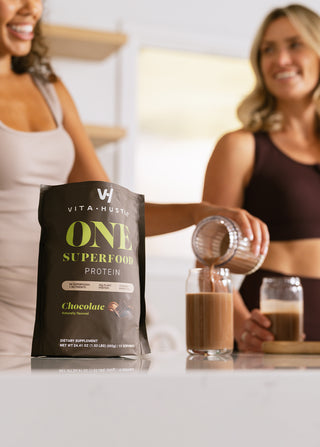
Because it can be mixed with water or a preferred milk alternative in under a minute, this option becomes a realistic “non-negotiable” for patients who don’t want to prepare full meals.
Solution 2: Ready-to-Drink High-Protein Shakes
RTD shakes are ideal for patients who need simplicity and portability. They remove friction and decision-making, which is critical when appetite is low and patients are busy.
- 30g protein per bottle: supports muscle preservation and recovery
- No prep required: grab-and-go convenience for work, travel, or post-exercise
- Gut-friendly formulation: designed to reduce bloating and discomfort
- Predictable dosing: consistent macros per bottle make it easy to build into protocols
Macro Comparison: Powder vs. RTD Shakes
 This comparison helps patients and staff quickly understand how each format fits into the overall nutrition plan and how they can be used together.
Sample Clinic Protocols
Below are simple, clinic-friendly examples you can adapt to your own practice. Always adjust based on individual patient needs, comorbidities, and your clinical judgment.
Morning Foundation Protocol
- 1 serving of VitaHustle One 20g All-in-One Superfood Protein Powder with water or unsweetened milk alternative
- Encourage slow sipping if nausea is present
- Add ice or blend if texture helps tolerance
Post-Exercise or Muscle Support Protocol
- 1 VitaHustle One 30g Ready to Drink Protein Shake within 1–2 hours after activity, strength training, or physical therapy
- Position as “non-negotiable” on exercise days to support lean mass and recovery
Low Appetite / Busy Day Protocol
- 1 serving powder in the morning
- 1 RTD shake in the afternoon or early evening
- Light, nutrient-dense meals or snacks as tolerated
How Clinics Can Implement These Solutions
To successfully integrate high-protein support into your GLP-1 program, consider:
- Standardizing protocols: build VitaHustle One powder and RTD options into your existing GLP-1 care pathways.
- Educating patients: use visuals and simple one-page handouts to explain the “why” behind protein and nutrient support.
- Aligning with your team: ensure physicians, NPs, RDs, MAs, and health coaches are aligned on recommendations and talking points.
- Tracking outcomes: monitor changes in energy, satiety, strength, and adherence as you introduce structured nutrition support.
Next Steps for Your Clinic
As GLP-1 therapies continue to scale, patients will increasingly rely on their clinics for not just prescriptions—but full-spectrum support, including nutrition. By providing high-protein, GLP-1–aligned options in both powder and RTD formats, your practice can:
- Protect lean muscle mass
- Support energy and daily functioning
- Improve patient satisfaction and adherence
- Differentiate your GLP-1 program with comprehensive care
If your clinic is exploring structured nutrition options for GLP-1 patients and would like to review formulas, protocols, or implementation strategies, we’d be happy to connect.
For clinic inquiries and practitioner resources, please contact: sales@vitahustle.com